


Road trips are becoming increasingly popular in Thailand, especially among travelers who value the freedom to choose their own routes, schedules, and places to stay. One of the first challenges beginners face when planning a trip is deciding which type of vehicle best suits their needs. As travelers move beyond conventional cars and explore the experience of living on the road, an important question arises: What are the different types of motorhomes, and how should you choose one for your next adventure?
Each type of motorhome has its own structure, living space, and amenities. Options range from compact converted vans that are easy to park to large recreational vehicles equipped with bathrooms, showers, and fully functional kitchen areas. Choosing a motorhome is not simply about its exterior appearance. You should also consider several important factors, including the number of travelers, the number of approved passenger seats, sleeping capacity, total budget, and the routes you intend to explore.
In this guide, we will introduce the major types of motorhomes, explain their advantages and limitations, and provide practical advice on choosing the right vehicle for your trip. Whether you want to immerse yourself in nature or enjoy a relaxing getaway to Khao Yai’s green-season cafés or explore the 40 attractions in Nonthaburi, understanding your transportation options will help you plan a more comfortable and safer journey.
A motorhome is a vehicle designed or converted to combine transportation and living accommodation in one unit. Depending on the model, it may include essential facilities for everyday living, such as a bed, dining area, compact kitchen, and, in many cases, an integrated bathroom and shower. Motorhomes are often built on a truck or commercial vehicle chassis, providing more interior space than a conventional passenger vehicle.
A campervan is generally a van that has been converted into a compact living space. The rear section is adapted for sleeping, storage, and sometimes cooking. Campervans are typically smaller than conventional motorhomes and offer greater maneuverability. However, they may not have an onboard bathroom or shower, and those that do often have limited facilities. Their interiors usually feature multifunctional furniture, such as a dining table that converts into a bed.
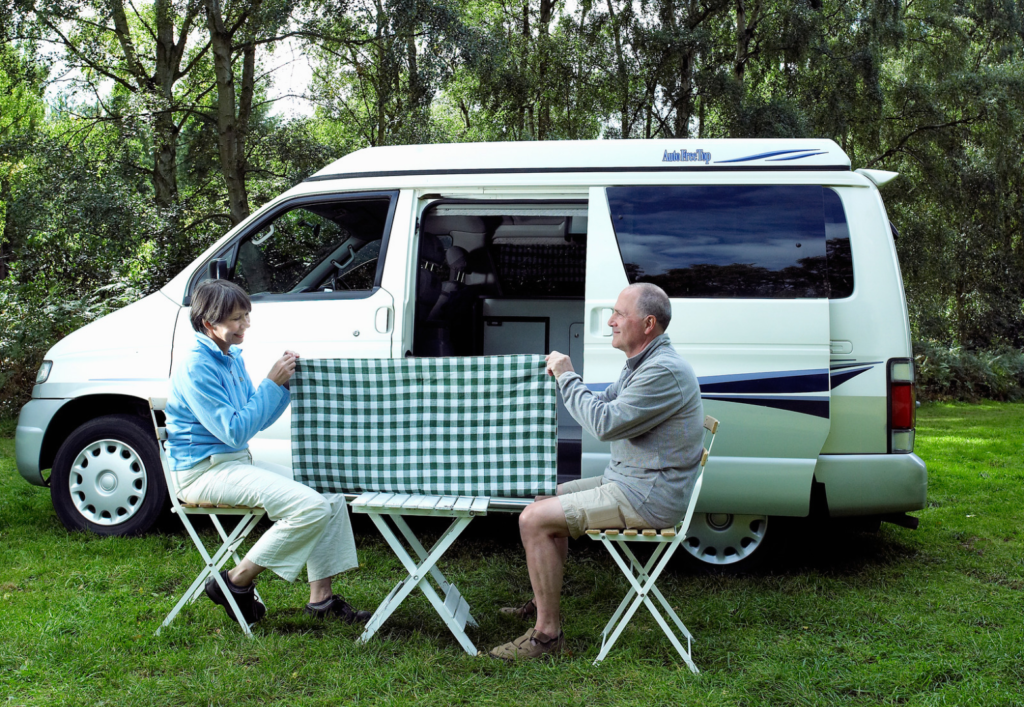
The main difference between a motorhome, campervan, travel trailer, and conventional car lies in their level of self-contained living capability.
Conventional cars are primarily designed for passenger transportation, whereas motorhomes provide facilities that support overnight stays and everyday activities. However, amenities vary considerably by manufacturer, model, and rental provider. Some vehicles have solar panels and air-conditioning systems that can operate without the engine running, while others may offer little more than a bed and ventilation fan.
Before booking, always check the actual equipment included in the specific vehicle you intend to rent.
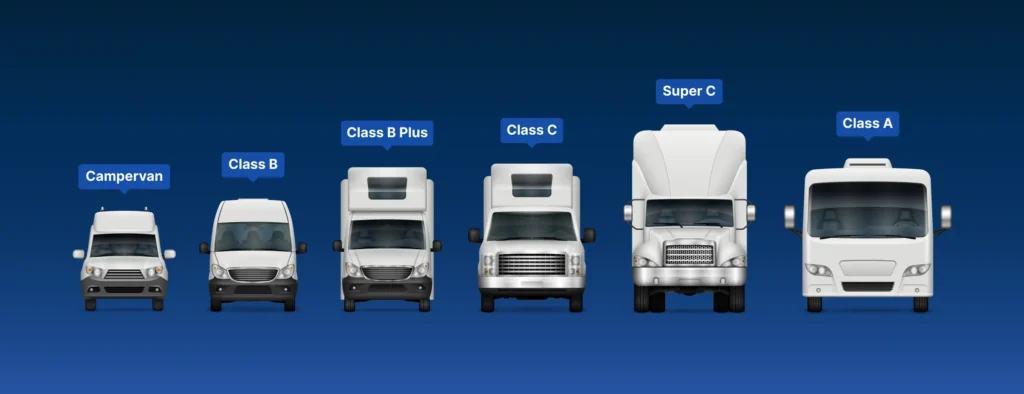
There is no single universally accepted number of motorhome categories. Vehicles can be classified according to their construction, propulsion systems, or intended use. In the international recreational vehicle (RV) industry, however, motorhomes and recreational vehicles are commonly divided into several main categories.
A Class A motorhome is one of the largest types of recreational vehicles. It is generally built on a heavy-duty chassis designed for large vehicles, with some models using bus-style platforms. Its distinctive appearance often includes a flat front and a large windshield.
General characteristics
Advantages
The main advantage of a Class A motorhome is its extensive living space. It can provide a comfortable environment for long journeys, especially for travelers who want separate areas for sleeping, cooking, relaxing, and storing belongings.
Limitations
Class A motorhomes can be difficult to maneuver, particularly on narrow roads or in crowded urban areas. Finding suitable parking spaces and campsites can also be challenging. Fuel consumption and rental costs are generally higher than those of smaller recreational vehicles.
Best suited for
These vehicles are best suited to major highways, wide roads, and established campsites that can accommodate large RVs. They are less suitable for narrow mountain roads and tight urban streets.
Potential sleeping capacity: 2–6 people, depending on the model.
What to check before renting
Confirm the required driving licence category, vehicle dimensions, overall height, and any restrictions that apply to the roads you plan to use. Licence requirements depend on the vehicle’s registered classification, weight, and local regulations.
A Class B motorhome is typically converted from a standard van while retaining much of the original vehicle body. It is commonly known as a campervan.
General characteristics
Advantages
Class B vehicles are generally easier to drive and park than larger motorhomes. Their compact dimensions make them suitable for road trips involving towns, cities, cafés, and smaller tourist destinations. They also tend to consume less fuel than larger recreational vehicles, although actual fuel economy depends on the vehicle and driving conditions.
Limitations
Living space is limited, so travelers must organize their belongings carefully. Some models require the dining area to be converted into a bed each night. Bathroom facilities may be unavailable or very compact, and storage space can be insufficient for bulky luggage.
Best suited for
Campervans are ideal for couples, solo travelers, and people who prioritize mobility over extensive onboard amenities.
Potential sleeping capacity: 1–2 people, or 3–4 in some models with additional sleeping arrangements, such as a pop-top roof.
What to check before renting
Confirm whether the vehicle has a toilet, shower, cooking facilities, and sufficient storage. If there is no onboard bathroom, plan stops at suitable petrol stations, campsites, or other facilities along your route.
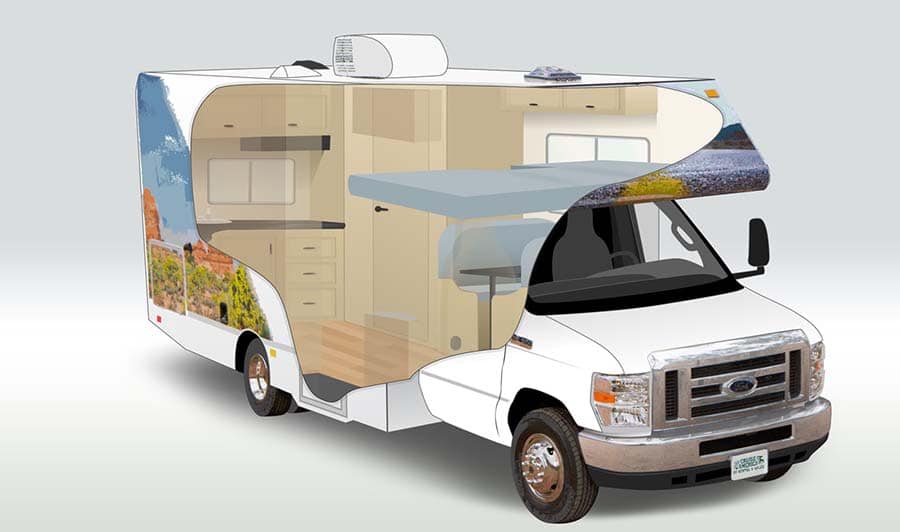
Class C motorhomes are popular in many international RV rental markets because they offer a balance between living space and maneuverability. They are commonly built on a van or truck chassis with a purpose-built living compartment behind the driver’s cab.
One of their most recognizable features is the cab-over section, which extends above the driver’s cab and often provides an additional sleeping area.
General characteristics
Advantages
Class C motorhomes offer a practical balance between size and comfort. The overhead bed makes efficient use of space, while the main living area can accommodate dining, cooking, and relaxing. Some layouts allow travelers to keep their beds ready without converting the dining table every night.
Limitations
Their larger profile creates more wind resistance than that of a standard van, potentially increasing fuel consumption. Drivers must also pay attention to vehicle height, width, turning radius, and rear overhang when navigating bends or uneven roads.
Best suited for
Class C motorhomes are suitable for family road trips, visits to established national park campsites, and journeys along major tourist routes.
Potential sleeping capacity: 4–6 people, depending on the layout.
What to check before renting
Inspect the size and arrangement of each bed, the number of approved passenger seats, and the capacity of the freshwater and wastewater tanks. These factors can significantly affect comfort during longer journeys.
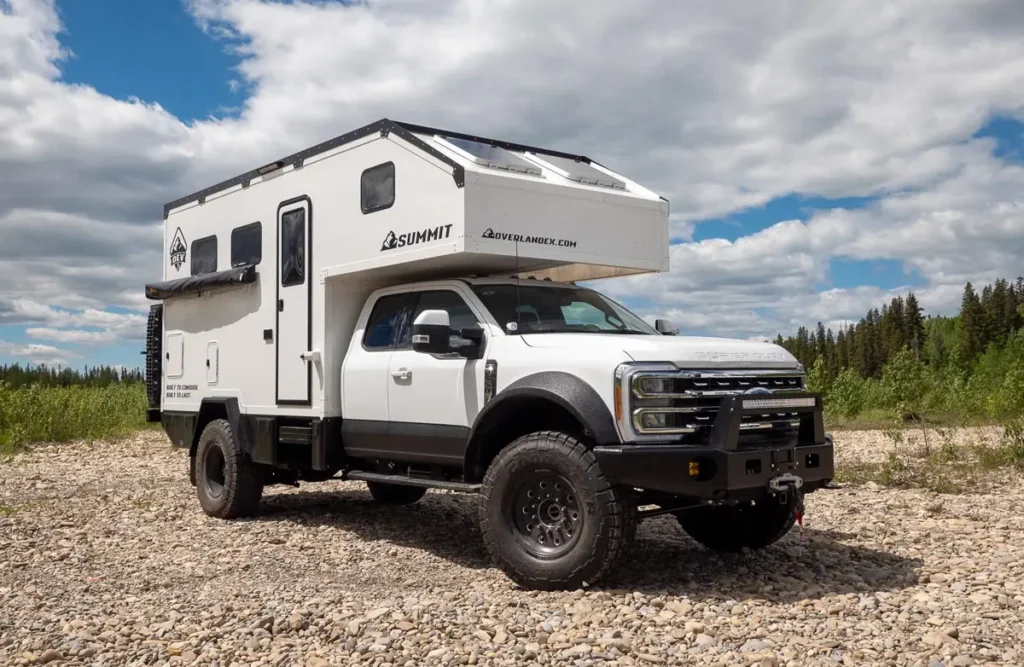
A truck camper consists of a detachable or separately installed living module mounted on the bed of a pickup truck. Unlike a conventional motorhome, the accommodation module is not necessarily permanently integrated into the vehicle.
General characteristics
Advantages
Truck campers can be useful for travelers who want to explore remote destinations accessible to a suitable pickup truck. When paired with an appropriately equipped four-wheel-drive vehicle, they may be suitable for certain off-grid adventures and rugged terrain.
Limitations
Interior space is generally limited. Entry is often through the rear or a designated access point, and headroom may be restricted. The added weight can affect handling, braking, stability, and overall vehicle performance.
Best suited for
Adventure travelers who want to explore remote natural areas and places where a conventional large motorhome may be impractical.
Potential sleeping capacity: 2–3 people, depending on the design.
What to check before renting
Verify the pickup truck’s payload capacity and ensure that the combined weight of the camper, passengers, luggage, water, and equipment remains within the vehicle manufacturer’s limits. Check that the installation and load distribution comply with applicable safety requirements.
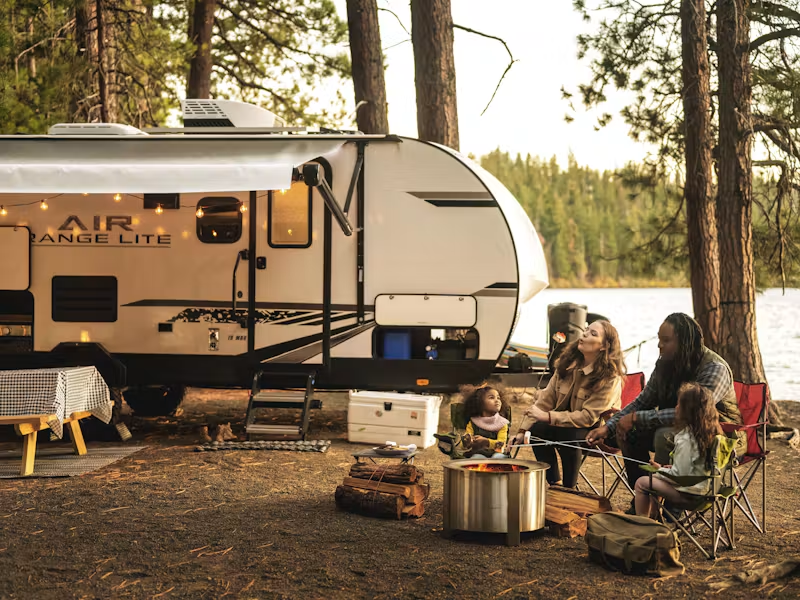
A travel trailer, also known as a caravan in many European markets, is a towable recreational vehicle without its own engine. It must be pulled by a compatible vehicle, such as a pickup truck or SUV.
General characteristics
Advantages
Travel trailers can provide substantial living space without requiring a separate motorhome powertrain. One of their greatest benefits is the ability to leave the trailer at a suitable campsite and use the towing vehicle independently for local sightseeing or shopping.
Limitations
Towing requires additional driving skills. Reversing, turning, and judging the combined vehicle length can be challenging, particularly for inexperienced drivers. Towing also affects acceleration, braking, fuel consumption, and maneuverability.
Passengers should not travel inside a trailer while it is being towed unless the specific arrangement is expressly permitted by applicable law and safety regulations. In many jurisdictions, riding in a towed trailer is prohibited and unsafe.
Best suited for
Travelers who prefer to establish a base at one campsite for an extended period rather than move between destinations frequently.
Potential sleeping capacity: 2–8 people, depending on the trailer’s size and layout.
What to check before renting
Confirm the towing vehicle’s rated towing capacity, hitch compatibility, trailer weight, load distribution, and braking requirements. Check local regulations governing trailer registration, towing, and passenger safety.
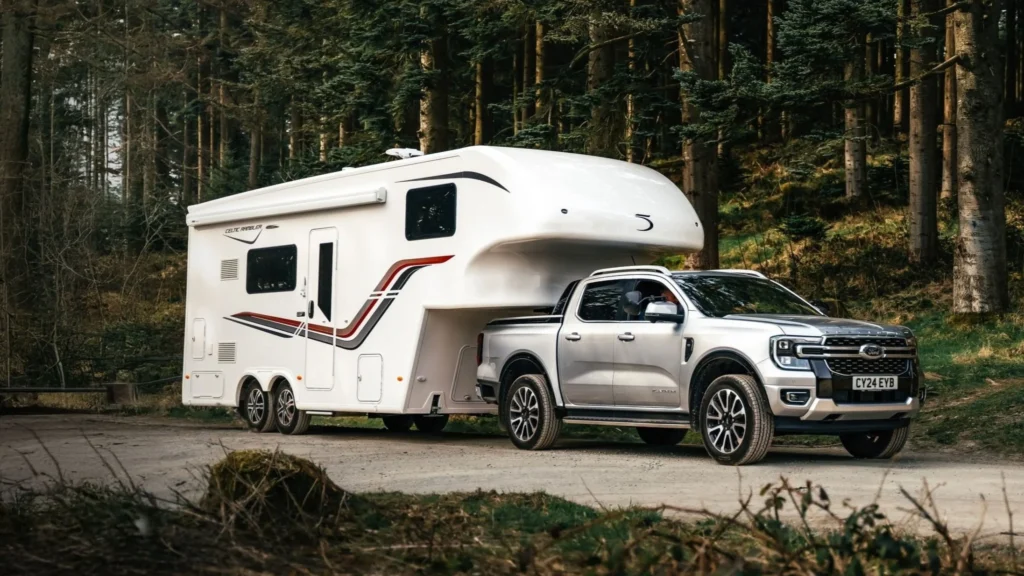
A fifth-wheel is a type of towable recreational vehicle that uses a different hitch arrangement from a conventional travel trailer.
General characteristics
Advantages
Fifth-wheel trailers can provide extensive living space and a stable towing arrangement when properly matched to the towing vehicle. Their hitch position above or near the rear axle of the pickup can improve towing stability compared with some conventional trailer configurations.
Limitations
These trailers require a compatible pickup truck with sufficient towing and payload capacity. Their size can make them difficult to maneuver in confined spaces, and they require large parking areas and suitable campsites.
Best suited for
Families or groups seeking spacious accommodation for longer stays at established campsites.
Potential sleeping capacity: 4–8 people, depending on the model.
What to check before renting
Confirm the pickup truck’s towing and payload ratings, hitch compatibility, combined vehicle dimensions, and clearance requirements. A heavy-duty pickup may be necessary, depending on the trailer.
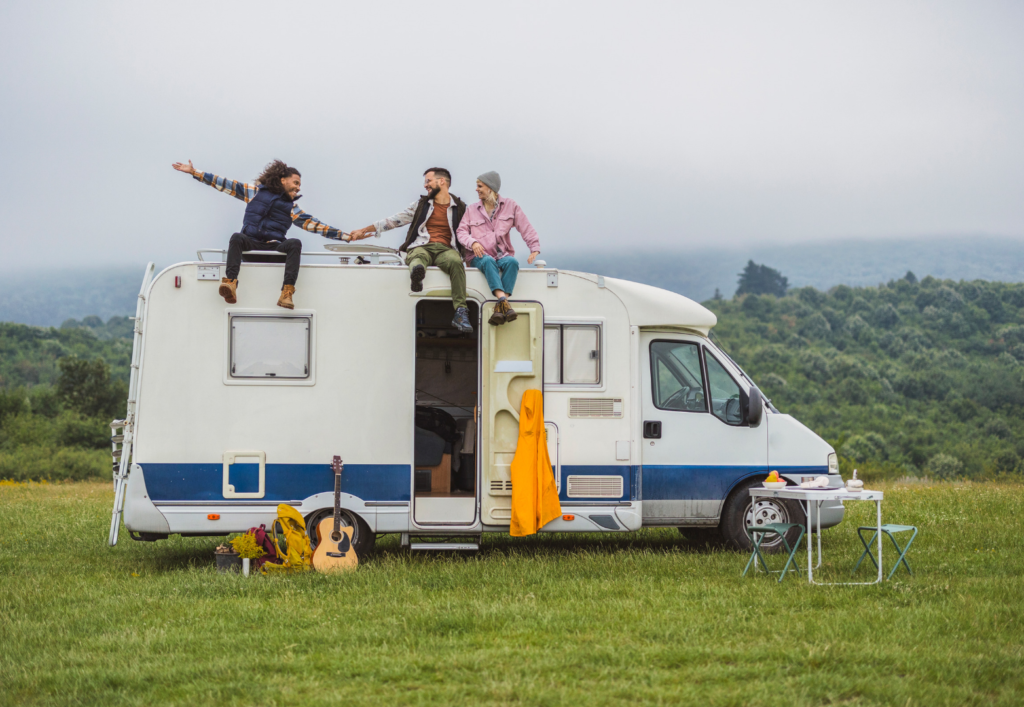
This category includes SUVs, pickup trucks fitted with camper shells, and vans that have been adapted for occasional overnight stays. Owners may fold down the rear seats, install a sleeping platform, or add storage boxes and basic camping equipment.
General characteristics
Advantages
These vehicles are often more affordable than fully equipped motorhomes and can be easier to drive and park. They may also remain practical for everyday use when the camping equipment is removable.
Limitations
Most DIY camping vehicles do not have integrated bathrooms or full kitchens. Ventilation, electrical systems, temperature control, and sleeping comfort may also be limited compared with purpose-built recreational vehicles.
Best suited for
Short trips, minimalist camping, overnight stays before an early morning activity, or travelers who prefer simple accommodation arrangements.
Potential sleeping capacity: 1–2 people, depending on the vehicle.
What to check before renting or converting
Ensure adequate ventilation, safe electrical arrangements, secure storage, and reliable vehicle locks. Never operate a fuel-burning cooking appliance inside an enclosed vehicle. Also, confirm that overnight parking is permitted at your chosen location and that suitable bathroom facilities are available.
Choosing a motorhome requires more than checking how many people can sleep inside. You must also consider how many people can travel safely in the vehicle and whether there is enough room for everyone to live comfortably.
For solo travelers and couples, a Class B motorhome or compact campervan is often a practical choice. Its smaller dimensions make driving, parking, and moving between destinations easier. It can also help keep fuel and rental costs manageable.
Although the sleeping area may be compact, it can be sufficient for two people who prioritize mobility and outdoor activities. If having a private bathroom is essential, consider a larger campervan or a compact Class C motorhome equipped with the necessary facilities.
When traveling with three or four people, sleeping arrangements and luggage storage become increasingly important.
A Class C motorhome is often worth considering because many models have an overhead bed and an additional rear sleeping area. This arrangement may allow everyone to sleep without converting the dining table every evening.
A practical layout should provide enough room for passengers to sit comfortably during travel, prepare meals, and store luggage without blocking access to essential facilities.
For groups of five or six, the most important consideration is the number of approved passenger seats equipped with appropriate seat belts.
A vehicle that sleeps six people does not automatically have six legal and safe passenger seats. Some recreational vehicles offer several sleeping spaces but have seat belts for only four occupants.
For larger groups, a suitably configured Class A or Class C motorhome may provide the necessary space. However, the actual passenger seating capacity must be verified before booking. You should also check luggage capacity, bathroom facilities, and the amount of shared living space available.
Traveling with young children introduces additional safety and comfort considerations.
Class C motorhomes can be attractive to families because the overhead sleeping area provides a separate place for children to sleep. However, sleeping arrangements should never take priority over passenger safety.
Before booking, confirm that the vehicle has appropriate seat belts and that child safety seats can be installed correctly in the designated travel seats. Do not assume that a seat in the dining area is suitable for a child safety seat simply because it has a seat belt.
Check the vehicle manufacturer’s instructions and the child seat’s compatibility requirements, including whether an appropriate three-point belt or approved child-seat anchorage system is available.
An onboard bathroom can also be particularly useful when traveling with young children, especially at night.
When traveling with friends, consider ease of access, luggage storage, shared living space, and bathroom arrangements.
Water tanks and wastewater storage have limited capacities. If several people shower consecutively, the freshwater supply may run low or the wastewater tank may fill quickly.
For groups, it is helpful to plan overnight stays at campsites with shared bathroom facilities or choose a motorhome with adequate water capacity. Before the trip, agree on how rental costs, fuel, campsite fees, tolls, and other expenses will be divided.
The following table summarizes the key characteristics of each recreational vehicle type to help you compare the options more easily.
| Motorhome Type | Main Features | Typical Living Space | Maneuverability | Potential Sleeping Capacity | Key Considerations |
|---|---|---|---|---|---|
| Class A | Large motorhome built on a heavy-duty chassis | Very spacious, often with extensive amenities | Low; difficult to maneuver and park | 2–6 people | High fuel consumption, vehicle height, and licence requirements |
| Class B (Campervan) | Van converted into a compact living space | Limited space; bathroom may be unavailable | High; relatively easy to drive and park | 1–2 people | Limited storage and multifunctional furniture |
| Class C | Living compartment with an overhead cab section | Balanced layout with sleeping, kitchen, and often bathroom facilities | Moderate; height and rear overhang require attention | 4–6 people | Fuel consumption, wind resistance, and vehicle dimensions |
| Truck Camper | Living module mounted on a pickup truck | Compact with limited interior space | Depends on the pickup and camper configuration | 2–3 people | Payload capacity and vehicle stability |
| Travel Trailer | Towable accommodation without its own engine | Varies from compact to spacious | Low while towing; reversing can be difficult | 2–8 people | Towing capacity, hitch compatibility, and trailer brakes |
| Fifth-Wheel | Large trailer connected to a hitch in a pickup truck bed | Spacious, often with an elevated front section | Low; requires substantial turning and parking space | 4–8 people | Heavy-duty towing requirements and overall dimensions |
Renting a motorhome involves several expenses beyond the daily rental rate. Understanding the total cost and matching the vehicle to your travel style can help you avoid unnecessary expenses.
Your total motorhome travel budget should include the following expenses.
Compare the full trip cost rather than choosing a vehicle based on its daily rental rate alone.
Short trips of 1–2 days
A campervan or compact camping vehicle can be a suitable choice for short getaways. These vehicles are practical when you plan to spend most of your time outdoors and do not require extensive onboard facilities.
Three days and two nights
A Class C motorhome may be worth considering if you want a dedicated sleeping area, cooking facilities, and a private bathroom. However, a campervan can also work well if you are comfortable using campsite facilities.
Long road trips
For journeys lasting several days or longer, consider a vehicle with comfortable beds, sufficient storage, suitable kitchen facilities, and an adequate water supply.
A Class C motorhome can provide a good balance between comfort and maneuverability. If your budget allows and your route can accommodate a larger vehicle, a Class A motorhome may offer additional living space.
Cities and major highways
Smaller campervans are generally easier to maneuver through urban areas. Larger motorhomes may also be suitable if the roads, parking facilities, and accommodation sites can accommodate their dimensions.
Mountain roads, winding routes, and narrow streets
Consider a compact campervan or a suitably equipped truck camper. Large motorhomes and trailers can be more difficult to maneuver on narrow or winding roads. Always check road conditions, gradients, turning space, and vehicle restrictions before departure.
Locations with height restrictions
Many motorhomes exceed the height limits of standard parking garages and some roadside facilities. Check the vehicle’s actual height and any relevant width or weight restrictions before entering a parking area, tunnel, or restricted road.
Multi-stop road trips
If your itinerary includes frequent stops at cafés, restaurants, viewpoints, and tourist attractions, a campervan or compact motorhome may be more practical because it is easier to maneuver and park.
Camping and slow travel
If you prefer staying at one campsite for several nights, relaxing outdoors, cooking, and enjoying nature, a travel trailer may be a good option. You can leave the trailer at an appropriate campsite and use the towing vehicle for local excursions, provided the campsite permits this arrangement.
A motorhome can also suit slow travel, especially if you want to move between destinations while keeping your accommodation with you.
Travelers often wonder whether renting a motorhome can save money compared with renting a conventional car and booking hotels. The answer depends on your itinerary, group size, accommodation preferences, and travel habits.
A motorhome is not always the more economical option. Consider the following differences before making your decision.
Choose a reliable rental company with clear vehicle details and rental terms. Compare options such as MIDO Car Rental and Mind Voyage, considering vehicle types, rental rates, deposits, and insurance coverage before booking.
Motorhomes may provide dedicated storage compartments, but part of the available space may be occupied by camping equipment, cooking supplies, and bedding.
Conventional rental cars offer a simpler arrangement for travelers who primarily need space for suitcases and day-trip essentials.
Motorhomes allow you to keep your accommodation with you, reducing the need to check in and out of different hotels. Depending on the location and applicable rules, you may be able to wake up close to nature and enjoy a more flexible itinerary.
However, motorhome users may need to manage water supplies, wastewater, electrical systems, and campsite arrangements themselves.
If your trip focuses on urban attractions, restaurants, cafés, shopping, and comfortable hotel stays, a conventional rental car may offer better convenience and value.
For travelers who want to enjoy camping, spend more time outdoors, and experience life on the road, a motorhome can provide a memorable alternative.
If a conventional rental car better suits your plans, you can explore the available vehicle options at CK Car Rental.
The best choice ultimately depends on the experience you want, the route you plan to follow, and the total budget you are prepared to spend.
There is no single universal classification. Three common motorhome categories are Class A, Class B, and Class C. Other recreational vehicle types include truck campers, travel trailers, fifth-wheel trailers, and converted camping vehicles.
A campervan is generally a compact van converted into a living space and is commonly associated with Class B motorhomes. Larger motorhomes may offer more extensive facilities, such as separate kitchen and bathroom areas. However, the actual differences depend on the model and its equipment.
A Class B motorhome or campervan is often suitable for two people because it is compact, relatively easy to drive, and convenient for moving between destinations. If you need a private bathroom or additional living space, consider a larger model.
A Class C motorhome may be a suitable option because many models provide an overhead sleeping area and a separate rear bed. However, you should confirm the approved passenger seating capacity, seat-belt arrangements, child-seat compatibility, luggage space, and onboard facilities before booking.
Sleeping capacity depends on the vehicle’s design and layout. Many campervans accommodate approximately 1–2 people, while some Class C motorhomes sleep 4–6. Larger motorhomes and trailers may accommodate 6–8 people. Always check the manufacturer’s specifications for the exact model.
No. Many large Class A and Class C motorhomes have integrated bathrooms, but facilities vary. Some campervans and compact camping vehicles have no onboard toilet or shower, while others may include a portable toilet or compact bathroom.
A motorhome has its own engine and can be driven independently. A travel trailer has no engine and must be towed by a compatible vehicle. Passenger travel inside a moving trailer is generally prohibited in many jurisdictions, so check the applicable local laws and safety requirements.
Motorhomes can be suitable for trips to designated campsites, national park camping areas where permitted, and suitable destinations outside major urban areas. However, travelers should plan around narrow roads, parking restrictions, vehicle height, water refilling, and wastewater disposal facilities.
Before departing, confirm that overnight stays and vehicle access are permitted at each destination.
Prepare the appropriate driving licence, required identification documents, and a payment method for the security deposit. Plan your route, check overnight parking arrangements, and learn how to operate the vehicle’s water, electrical, and waste systems.
You should also understand the rental agreement, insurance coverage, excess charges, mileage limits, breakdown procedures, and rules for returning the vehicle.
A motorhome may be ideal if you want a camping-focused experience, flexible overnight arrangements, and closer contact with nature. A conventional rental car is often more practical for trips involving multiple city attractions, restaurants, cafés, and hotel stays.
Compare the total budget, itinerary, parking requirements, and comfort preferences before deciding.
Choosing the right motorhome is essential for a comfortable, safe, and enjoyable road trip. Use these key considerations to guide your decision.
If you are planning a trip that involves sightseeing in cities, visiting cafés, exploring local attractions, or traveling with a focus on convenience, a conventional rental car may be the more practical choice.
You can explore a range of rental car options and services at CK Car Rental, which offers different vehicle categories for a variety of travel needs.
Contact CK Car Rental :
การเดินทางท่องเที่ยวแบบ Road Trip กำลังได้รับความนิยมอย่างมากในประเทศไทย โดยเฉพาะผู้ที่โหยหาอิสระในการกำหนดเส้นทางและเวลาพักผ่อนด้วยตนเอง ปัญหาแรกที่ผู้เริ่มต้นวางแผนทริปมักพบคือ “ควรเลือกยานพาหนะแบบไหนดี” เมื่อความต้องการก้าวข้ามจากการใช้รถยนต์ทั่วไปไปสู่ประสบการณ์ที่เหนือกว่าอย่างการใช้ชีวิตบนรถ คำถามที่ตามมาคือ รถบ้านมีกี่ประเภท และเราควรเลือกเช่าหรือใช้งานอย่างไรให้ตอบโจทย์ทริปนั้น ๆ มากที่สุด
รถบ้านแต่ละประเภทมีโครงสร้าง พื้นที่ใช้สอย และสิ่งอำนวยความสะดวกที่แตกต่างกันอย่างสิ้นเชิง ตั้งแต่รถตู้ดัดแปลงขนาดกะทัดรัดที่จอดง่าย ไปจนถึงรถบ้านขนาดใหญ่ที่มีทั้งห้องน้ำ ห้องอาบน้ำ และพื้นที่ครัวครบครัน (Self-contained motorhome) การตัดสินใจเลือกรถบ้านจึงไม่ใช่แค่การดูความสวยงามภายนอก แต่เป็นการพิจารณาองค์ประกอบสำคัญรอบด้าน ไม่ว่าจะเป็นจำนวนผู้เดินทาง จำนวนที่นั่งที่ปลอดภัย จำนวนที่นอน งบประมาณรวม และเส้นทางที่คุณจะไป
ในบทความนี้ เราจะพาคุณไปทำความรู้จักกับรถบ้านทุกประเภทเจาะลึกถึงข้อดี ข้อจำกัด พร้อมแนวทางการเลือกให้เหมาะสม เพื่อให้ทริปของคุณ ไม่ว่าจะเป็นการไปพักผ่อนสัมผัสธรรมชาติ หรือแม้แต่การขับรถ เที่ยวคาเฟ่เขาใหญ่ และการตระเวนเช็กอิน 40 ที่เที่ยวนนทบุรี เต็มไปด้วยความสะดวกสบายและปลอดภัยที่สุด
รถบ้าน (Motorhome) คือ ยานพาหนะที่ได้รับการออกแบบหรือดัดแปลงให้มีพื้นที่สำหรับการอยู่อาศัยและการเดินทางรวมอยู่ในคันเดียว โดยทั่วไปจะมีการติดตั้งสิ่งอำนวยความสะดวกพื้นฐานสำหรับการดำรงชีพ เช่น เตียงนอน พื้นที่สำหรับรับประทานอาหาร พื้นที่ครัวขนาดเล็ก และในหลายรุ่นมักมีห้องน้ำและห้องอาบน้ำในตัว โครงสร้างของ Motorhome มักจะถูกสร้างขึ้นมาใหม่บนแชสซี (Chassis) ของรถบรรทุกหรือรถกระบะขนาดใหญ่ ทำให้มีพื้นที่ใช้สอยกว้างขวาง
รถแคมป์เปอร์แวน (Campervan) ตามความหมายสากล คือรถตู้ (Van) ที่ถูกนำมาดัดแปลงพื้นที่ด้านหลังให้เป็นพื้นที่พักอาศัยและที่นอน Campervan มักจะมีขนาดเล็กกว่า Motorhome อย่างเห็นได้ชัด ขับขี่ได้คล่องตัวกว่า แต่อาจไม่มีห้องน้ำหรือห้องอาบน้ำในตัว (หรือมีขนาดเล็กมาก) และการจัดสรรพื้นที่มักจะต้องปรับเปลี่ยนฟังก์ชันการใช้งานแบบอเนกประสงค์ เช่น โต๊ะทานข้าวสามารถพับลงเป็นเตียงนอนได้
ความแตกต่างหลักระหว่างรถบ้าน (Motorhome) รถแคมป์เปอร์แวน (Campervan) รถบ้านลากจูง (Travel Trailer) และรถยนต์ทั่วไป อยู่ที่ “ระดับความพร้อมในการพักอาศัยและความเป็นอิสระ (Self-contained)” รถยนต์ทั่วไปออกแบบมาเพื่อการโดยสารเพียงอย่างเดียว ในขณะที่รถบ้านมีอุปกรณ์รองรับการใช้ชีวิต แต่อย่างไรก็ตาม อุปกรณ์และสิ่งอำนวยความสะดวกเหล่านี้ แตกต่างกันไปตามรุ่นของผู้ผลิตและผู้ให้บริการเช่ารถบ้านแต่ละแห่ง บางคันอาจมีระบบโซลาร์เซลล์และเครื่องปรับอากาศที่ทำงานได้โดยไม่ต้องสตาร์ทเครื่องยนต์ ในขณะที่บางคันอาจมีเพียงเตียงนอนและพัดลมระบายอากาศเท่านั้น
คำถามที่ว่า รถบ้านมีกี่ประเภท นั้น ไม่มีจำนวนประเภทที่เป็นมาตรฐานเดียวกันแบบตายตัวในทุกประเทศ เนื่องจากสามารถจัดแบ่งได้หลายวิธี ทั้งตามโครงสร้างของตัวรถ ระบบขับเคลื่อน และลักษณะการใช้งาน แต่ในระดับสากลและวงการรถเช่า มักจะแบ่งรถบ้านออกเป็นประเภทหลัก ๆ ดังนี้
รถบ้าน Class A คือรถบ้านที่มีขนาดใหญ่ที่สุด มักสร้างขึ้นบนโครงแชสซีของรถบัสหรือรถบรรทุกขนาดใหญ่ รูปทรงด้านหน้ามักจะตัดตรงและมีกระจกบานหน้าขนาดใหญ่
ลักษณะโดยทั่วไป: หรูหรา กว้างขวาง เปรียบเสมือนคอนโดมิเนียมเคลื่อนที่ มีห้องนอนแยกเป็นสัดส่วน พื้นที่ครัวขนาดใหญ่ ห้องน้ำและห้องอาบน้ำที่แยกพื้นที่เปียกแห้งชัดเจน
จุดเด่น: พื้นที่ใช้สอยมากที่สุด มีพื้นที่เก็บสัมภาระ (Basement storage) เยอะมาก นั่งสบาย เหมาะกับการเดินทางระยะยาว
ข้อจำกัด: ขับขี่ยาก ไม่คล่องตัว หาที่จอดรถและลานกางเต็นท์ (Camping Ground) ที่รองรับขนาดรถได้ยาก สิ้นเปลืองน้ำมันสูงมาก และมักมีค่าเช่าที่สูงที่สุด
ความเหมาะสมในการเดินทาง: เหมาะสำหรับวิ่งบนทางหลวงสายหลัก ถนนกว้าง ไม่เหมาะกับเส้นทางภูเขาที่คดเคี้ยวหรือซอยแคบ
จำนวนผู้เดินทางที่อาจเหมาะสม: 2–6 คน (เน้นความหรูหราและพื้นที่ส่วนตัว)
สิ่งที่ต้องตรวจสอบก่อนเลือกใช้: ข้อกำหนดเรื่องใบอนุญาตขับขี่ (บางประเทศหรือบางน้ำหนักรถอาจต้องใช้ใบอนุญาตขับขี่ประเภทพิเศษ) และความสูงของรถต่อการลอดใต้สะพาน
รถบ้าน Class B หรือที่คนไทยนิยมเรียกว่า Campervan เป็นรถที่ดัดแปลงมาจากรถตู้ (Van) ทั่วไป โดยยังคงโครงสร้างตัวถังภายนอกของรถตู้เดิมไว้
ลักษณะโดยทั่วไป: ขนาดกะทัดรัด มองจากภายนอกเหมือนรถตู้ขนาดใหญ่ หลังคาอาจมีการเจาะยกสูง (Pop-top) หรือเป็นหลังคาแบบ High-roof เพื่อให้ยืนในรถได้
จุดเด่น: ความคล่องตัวสูง ขับขี่ง่ายคล้ายรถยนต์ปกติ หาที่จอดในเมืองหรือจุดจอดรถตามสถานที่ท่องเที่ยวได้ง่าย ประหยัดน้ำมันกว่า Class A และ C
ข้อจำกัด: พื้นที่ใช้สอยจำกัดมาก ต้องบริหารจัดการพื้นที่ให้ดี (เช่น เก็บโต๊ะเพื่อปูเตียง) หลายรุ่นไม่มีห้องน้ำในตัว หรือถ้ามีก็แคบมาก พื้นที่เก็บสัมภาระน้อย
ความเหมาะสมในการเดินทาง: เหมาะกับทุกเส้นทาง ทั้งในเมือง นอกเมือง และทางขึ้นเขาที่รถตู้ทั่วไปสามารถไปได้
จำนวนผู้เดินทางที่อาจเหมาะสม: 1–2 คน (อาจถึง 3-4 คนในรุ่นที่มีเตียงบนหลังคา Pop-top)
สิ่งที่ต้องตรวจสอบก่อนเลือกใช้: อุปกรณ์อำนวยความสะดวกภายในว่ามีห้องน้ำหรือไม่ หากไม่มีต้องวางแผนจุดแวะพักเข้าห้องน้ำตามปั๊มน้ำมันหรือลานกางเต็นท์ให้รัดกุม
Class C คือรถบ้านยอดนิยมในตลาดรถเช่าทั่วโลก โครงสร้างเกิดจากการนำแชสซีของรถกระบะหรือรถตู้มาต่อเติมตู้โดยสาร (Cabin) ด้านหลัง
ลักษณะโดยทั่วไป: เอกลักษณ์ที่โดดเด่นคือมีส่วนยื่นออกมาเหนือหัวเก๋งคนขับ (Cab-over) ซึ่งมักถูกจัดสรรให้เป็นพื้นที่นอน (เตียงเหนือหัวเก๋ง) ทำให้ประหยัดพื้นที่ด้านล่าง
จุดเด่น: พื้นที่ใช้สอยสมดุล มีทั้งครัว ห้องน้ำ และเตียงนอนแยกส่วน (บางรุ่นไม่ต้องพับโต๊ะเพื่อทำเตียง) ขับขี่ง่ายกว่า Class A แต่ได้พื้นที่กว้างกว่า Class B
ข้อจำกัด: มักจะมีปัญหาเรื่องการต้านลมขณะขับขี่ (Aerodynamics) สิ้นเปลืองเชื้อเพลิงพอสมควร และต้องระวังความสูงและช่วงท้ายรถ (Overhang) เวลาเลี้ยว
ความเหมาะสมในการเดินทาง: เหมาะสำหรับ Road Trip ทั่วไป อุทยานแห่งชาติ และเส้นทางท่องเที่ยวหลัก
จำนวนผู้เดินทางที่อาจเหมาะสม: 4–6 คน (การมีเตียงเหนือหัวเก๋งช่วยให้รองรับคนได้มากขึ้น)
สิ่งที่ต้องตรวจสอบก่อนเลือกใช้: ขนาดของเตียงนอนว่าเหมาะสมกับสรีระของผู้เดินทางหรือไม่ และความจุน้ำดี-น้ำเสีย (Fresh/Black/Grey water tanks)
Truck Camper ไม่ใช่ตัวรถที่เชื่อมติดเป็นชิ้นเดียว แต่เป็น “ตู้พักอาศัย” (Camper Shell) ที่ถูกนำไปวางติดตั้งไว้บนกระบะท้ายของรถกระบะ (Pickup truck)
ลักษณะโดยทั่วไป: สามารถถอดตู้พักอาศัยออกจากตัวรถกระบะได้เมื่อไม่ใช้งาน (ขึ้นอยู่กับการติดตั้ง)
จุดเด่น: ไปได้ทุกที่ที่รถกระบะ 4×4 สามารถเข้าถึงได้ เหมาะสำหรับสายลุย (Off-grid) เข้าป่าลึก ไม่ต้องเสียภาษีหรือจดทะเบียนรถบ้านแยกต่างหาก (เพราะถือเป็นสัมภาระบรรทุกในบางประเทศ)
ข้อจำกัด: พื้นที่แคบมาก ทางเข้าออกมักอยู่ด้านท้ายรถ พื้นที่เหนือศีรษะจำกัด และน้ำหนักตัวตู้ที่มากอาจทำให้การขับขี่รถกระบะโคลงเคลง
ความเหมาะสมในการเดินทาง: เหมาะสำหรับทริปสมบุกสมบัน ลุยป่า เขา หรือพื้นที่ทุรกันดาร
จำนวนผู้เดินทางที่อาจเหมาะสม: 2–3 คน
สิ่งที่ต้องตรวจสอบก่อนเลือกใช้: น้ำหนักบรรทุกสูงสุดของรถกระบะต้นกำลัง (Payload) ว่าสามารถรับน้ำหนักของตู้ Camper รวมถึงสัมภาระและผู้โดยสารได้อย่างปลอดภัยหรือไม่ ความพร้อมใช้งานของสิ่งอำนวยความสะดวกในตู้จะแตกต่างกันไปอย่างมาก
Travel Trailer หรือ Caravan ในฝั่งยุโรป คือรถบ้านที่ไม่มีเครื่องยนต์ในตัวเอง ต้องอาศัยรถยนต์คันอื่น (เช่น รถกระบะ รถ SUV) ลากจูงไป
ลักษณะโดยทั่วไป: มีรูปร่างคล้ายกล่องหรือตู้พักอาศัยที่มีล้อ มีหลายขนาดตั้งแต่เล็กจิ๋ว (Teardrop) ไปจนถึงยาวกว่า 10 เมตร
จุดเด่น: ราคาถูกกว่า Motorhome มากเมื่อเทียบกับพื้นที่ใช้สอยที่ได้รับ ข้อดีที่สุดคือเมื่อถึงจุดกางเต็นท์ (Campsite) สามารถปลดพ่วงรถบ้านทิ้งไว้ และใช้รถยนต์คันหน้าขับไปเที่ยวตามสถานที่ต่าง ๆ หรือซื้อของในเมืองได้อย่างอิสระ
ข้อจำกัด: ขับขี่ยากมาก โดยเฉพาะการถอยหลังและการกะระยะเลี้ยว ต้องใช้ทักษะสูง ไม่สามารถนั่งผู้โดยสารในรถลากจูงขณะรถกำลังวิ่งได้ (ผิดกฎหมายและอันตรายในเกือบทุกประเทศ)
ความเหมาะสมในการเดินทาง: เหมาะสำหรับการไปจอดพักแคมป์ปิ้งที่ใดที่หนึ่งเป็นเวลานาน ๆ (Basecamp) ไม่เหมาะกับการแวะเที่ยวรายทางหลาย ๆ จุด
จำนวนผู้เดินทางที่อาจเหมาะสม: 2–8 คน (ขึ้นอยู่กับขนาดของตัว Trailer)
สิ่งที่ต้องตรวจสอบก่อนเลือกใช้: กำลังลากจูง (Towing capacity) ของรถต้นกำลัง และระบบเบรกพ่วงที่ถูกต้องตามมาตรฐานความปลอดภัย
Fifth-Wheel เป็นประเภทย่อยของรถบ้านลากจูง แต่มีระบบการต่อพ่วงที่แตกต่างออกไป
ลักษณะโดยทั่วไป: มีส่วนหน้ายื่นออกมาเพื่อวางล็อคกับแท่นรับ (Fifth-wheel hitch) ที่ติดตั้งอยู่กลางกระบะหลังของรถลากจูง (ต้องใช้รถกระบะเท่านั้น)
จุดเด่น: พื้นที่กว้างขวางมาก (มักมีส่วน Slide-out ขยายข้างรถ) การลากจูงมีเสถียรภาพสูงกว่า Travel Trailer แบบดั้งเดิม เพราะจุดรับน้ำหนักอยู่เหนือเพลาหลังของรถลากพอดี ลดอาการท้ายสะบัด
ข้อจำกัด: ต้องใช้รถกระบะขนาดใหญ่ที่มีกำลังขับสูงมากในการลากจูง ความคล่องตัวต่ำมาก วงเลี้ยวกว้าง และกินพื้นที่จอดสูง
ความเหมาะสมในการเดินทาง: เหมาะกับทริปครอบครัวใหญ่ที่เดินทางไปจอดพักระยะยาวในลานกางเต็นท์ที่กว้างขวาง
จำนวนผู้เดินทางที่อาจเหมาะสม: 4–8 คน
สิ่งที่ต้องตรวจสอบก่อนเลือกใช้: ขีดความสามารถในการลากจูงของรถกระบะต้องอยู่ในเกณฑ์ Heavy-duty และต้องตรวจสอบความสูงของตัวรถเพื่อป้องกันการชนสิ่งกีดขวางด้านบน
ประเภทนี้หมายรวมถึงรถ SUV, รถกระบะใส่หลังคาแครี่บอย หรือรถตู้ที่เจ้าของนำมาดัดแปลงเบาะนั่งหรือตีกล่องไม้เพื่อใช้สำหรับนอนและเก็บอุปกรณ์ Camping แบบง่าย ๆ
ลักษณะโดยทั่วไป: ภายนอกดูเหมือนรถยนต์ปกติทุกประการ ภายในมีการปรับเบาะให้ราบหรือปูฟูกนอนได้
จุดเด่น: ประหยัดที่สุด ขับง่าย จอดง่าย คล่องตัวสูงสุด และใช้ในชีวิตประจำวันได้
ข้อจำกัด: ไม่มีห้องน้ำ ไม่มีครัวในตัว (ต้องทำอาหารนอกรถ) ระบบระบายอากาศและระบบไฟฟ้าเพื่อการพักอาศัยมักไม่สมบูรณ์เท่า Motorhome สภาพอากาศร้อนหรือหนาวมีผลโดยตรง
ความเหมาะสมในการเดินทาง: เหมาะกับการเดินทางระยะสั้น การนอนค้างคืนเพื่อรอชมแสงแรกของวัน หรือผู้ที่รักความเรียบง่าย
จำนวนผู้เดินทางที่อาจเหมาะสม: 1–2 คน
สิ่งที่ต้องตรวจสอบก่อนเลือกใช้: การระบายอากาศขณะนอนหลับ ความปลอดภัยในการล็อกรถ และความพร้อมของสถานที่จอดค้างคืน (ต้องมีห้องน้ำสาธารณะรองรับ)
การเลือกรถบ้าน ไม่สามารถดูแค่ “นอนได้กี่คน” แต่ต้องพิจารณาถึง “นั่งได้อย่างปลอดภัยกี่คน” และ “มีพื้นที่ใช้ชีวิตร่วมกันเพียงพอหรือไม่”
สำหรับคู่รักหรือผู้ที่เดินทางคนเดียว รถบ้าน Class B (Campervan) หรือรถแคมป์ปิ้งขนาดเล็กถือเป็นตัวเลือกที่ตอบโจทย์ที่สุด เนื่องจากมีความคล่องตัวสูง ประหยัดงบประมาณค่าน้ำมัน และสามารถขับเข้าซอยเล็ก ๆ หรือหาที่จอดตามจุดชมวิวได้ง่าย แม้พื้นที่นอนจะกะทัดรัด แต่สำหรับ 2 คนถือว่าเพียงพอและอบอุ่น หากต้องการความสะดวกสบายเรื่องห้องน้ำ อาจขยับไปใช้ Class C ขนาดเล็กได้
เมื่อมีผู้ร่วมเดินทาง 3–4 คน การจัดสรรพื้นที่นอนและพื้นที่เก็บสัมภาระเริ่มมีความสำคัญมากขึ้น รถบ้าน Class C มักเป็นตัวเลือกอันดับต้น ๆ เพราะมีเตียงเหนือหัวเก๋ง (รองรับ 2 คน) และเตียงหลักด้านหลัง (รองรับ 2 คน) ทำให้ไม่ต้องเสียเวลาพับโต๊ะกินข้าวเพื่อทำเป็นเตียงนอนทุกคืน ทุกคนมีความเป็นส่วนตัวระดับหนึ่ง และมีพื้นที่ครัวที่สามารถทำอาหารง่าย ๆ แบ่งปันกันได้สะดวก
สำหรับกลุ่มขนาดนี้ สิ่งสำคัญที่สุดคือ จำนวนที่นั่งที่ได้รับอนุญาต (มีเข็มขัดนิรภัย) ต้องสอดคล้องกับจำนวนผู้เดินทาง กฎหมายความปลอดภัยเป็นเรื่องสำคัญ ไม่ควรยึดหลักว่า “ถ้ารถนอนได้ 6 คน ก็แปลว่านั่งเดินทางได้ 6 คน” โดยอัตโนมัติ รถบางรุ่นนอนได้ 6 คน แต่มีเข็มขัดนิรภัยสำหรับผู้โดยสารเพียง 4 ที่นั่งเท่านั้น สำหรับทริป 5-6 คน แนะนำให้ใช้ Class A หรือ Class C ขนาดใหญ่ เพื่อให้มีพื้นที่นั่งเล่น (Living area) ที่ไม่อึดอัด และมีพื้นที่เก็บกระเป๋าเดินทางขนาดใหญ่ของทุกคนได้อย่างเพียงพอ
การเดินทางกับเด็กเล็กมีความท้าทายพิเศษ Class C Motorhome เป็นที่นิยมสำหรับครอบครัว เพราะมีเตียง Cab-over ที่เด็ก ๆ มักจะชื่นชอบ (เหมือนได้นอนในเต็นท์บนต้นไม้) อย่างไรก็ตาม ต้องตรวจสอบอย่างเข้มงวดเรื่องการติดตั้งที่นั่งนิรภัยสำหรับเด็ก (คาร์ซีต) ว่าเบาะนั่งในโซนพักอาศัย (Dinette) มีจุดยึด ISOFIX หรือเข็มขัดนิรภัยแบบ 3 จุดที่สามารถติดตั้งคาร์ซีตตามข้อกำหนดด้านความปลอดภัยได้อย่างแน่นหนาหรือไม่ นอกจากนี้ ควรเลือกรถที่มีห้องน้ำในตัวเพื่อความสะดวกในการจัดการธุระของเด็ก ๆ ยามค่ำคืน
การไปกับกลุ่มเพื่อนวัยรุ่นหรือวัยทำงาน ควรพิจารณาถึงความสะดวกในการขึ้นลง การจัดเก็บสัมภาระ (ซึ่งมักจะมีกระเป๋าคนละใบ) และประเด็นสำคัญคือ การใช้ห้องน้ำร่วมกัน ระบบน้ำและถังเก็บน้ำเสียในรถบ้านมีจำกัด การอาบน้ำ 4-5 คนติดต่อกันอาจทำให้น้ำหมดหรือถังน้ำเสียเต็มอย่างรวดเร็ว ดังนั้น หากเลือกเช่ารถบ้านสำหรับกลุ่มเพื่อน ควรตกลงเรื่องการแวะพักตามลานกางเต็นท์ที่มีห้องน้ำสาธารณะ หรือเลือกรถบ้าน Class C ขนาดใหญ่ และต้องตกลงเรื่องการแบ่งเบาภาระค่าใช้จ่าย ทั้งค่าเช่า ค่าน้ำมัน และค่าลานจอดรถให้ชัดเจน
เพื่อช่วยให้คุณเห็นภาพรวมและตัดสินใจได้ง่ายขึ้น ตารางด้านล่างนี้สรุปลักษณะสำคัญของรถบ้านแต่ละประเภท
[แทรกภาพที่ 5: ตารางหรือ Infographic เปรียบเทียบประเภทรถบ้าน สรุปประเภท จุดเด่น และข้อจำกัด แบบอ่านง่ายสบายตา]
| ประเภทรถบ้าน | ลักษณะเด่น | พื้นที่ใช้สอยโดยทั่วไป | ความคล่องตัว | ผู้เดินทางที่อาจเหมาะสม | ข้อควรพิจารณา |
| Class A | หรูหรา ใหญ่โต สร้างบนแชสซีรถบรรทุก/รถบัส | กว้างขวางมาก มีสิ่งอำนวยความสะดวกครบครัน | ต่ำมาก ขับยาก หาที่จอดยาก | 2–6 คน (ครอบครัวใหญ่/กลุ่มเพื่อน) | สิ้นเปลืองเชื้อเพลิงสูง ข้อจำกัดด้านใบอนุญาตขับขี่ |
| Class B (Campervan) | รถตู้ดัดแปลง ภายนอกดูเหมือนรถยนต์ทั่วไป | กะทัดรัด พื้นที่จำกัด อาจไม่มีห้องน้ำ | สูงมาก ขับง่าย จอดในเมืองได้ | 1–2 คน (คู่รัก/ลุยเดี่ยว) | พื้นที่เก็บสัมภาระน้อย ต้องใช้พื้นที่แบบอเนกประสงค์ |
| Class C | มีเตียงยื่นเหนือหัวเก๋งคนขับ (Cab-over) | สมดุล มีเตียงแยกส่วน ครัว และห้องน้ำ | ปานกลาง ระวังความสูงและท้ายสะบัด | 4–6 คน (ครอบครัว/กลุ่มเพื่อน) | อัตราสิ้นเปลืองน้ำมันปานกลางถึงสูง ต้านลม |
| Truck Camper | ตู้พักอาศัยยกตั้งบนกระบะท้าย | แคบ ทางเข้าออกด้านหลัง พื้นที่จำกัด | ปานกลาง (ขึ้นอยู่กับรถกระบะต้นกำลัง) | 2–3 คน (สายลุยเข้าพื้นที่ธรรมชาติ) | ต้องคำนวณน้ำหนักบรรทุก (Payload) ให้ปลอดภัย |
| Travel Trailer | รถลากจูง ไม่มีเครื่องยนต์ ต้องใช้รถลาก | กว้างขวาง ปลดพ่วงทิ้งไว้ที่แคมป์ได้ | ต่ำมากเวลาลากจูง ถอยหลังยาก | 2–8 คน (แล้วแต่ขนาด) | ต้องใช้รถต้นกำลังที่มีกำลังลากจูงเพียงพอ ห้ามนั่งขณะลาก |
| Fifth-Wheel | รถลากจูงขนาดใหญ่ ต่อพ่วงกลางกระบะ | กว้างขวางที่สุด เสถียรภาพการลากจูงดี | ต่ำมาก วงเลี้ยวกว้าง | 4–8 คน (ครอบครัวใหญ่พักระยะยาว) | ต้องใช้รถกระบะขนาดใหญ่พิเศษ (Heavy-duty) เท่านั้น |
วิธีใช้ตารางเพื่อเลือกประเภทรถบ้านเบื้องต้น:
ประเมินจำนวนผู้เดินทางว่าจัดอยู่ในกลุ่มกี่คน
สำรวจทักษะการขับขี่ของตนเอง หากไม่ชำนาญรถใหญ่ ควรตัด Class A หรือกลุ่มลากจูงออก
เลือกประเภทที่ตรงกับความต้องการ จากนั้นนำไปค้นหาผู้ให้บริการเช่ารถบ้าน หมายเหตุสำคัญ: ตารางนี้เป็นเพียงแนวทางเบื้องต้น อุปกรณ์ พื้นที่ และจำนวนที่รองรับอาจแตกต่างกันไปในแต่ละรุ่น คุณต้องตรวจสอบรายละเอียดของรถคันจริงกับผู้ให้บริการเช่าทุกครั้งก่อนตัดสินใจจอง
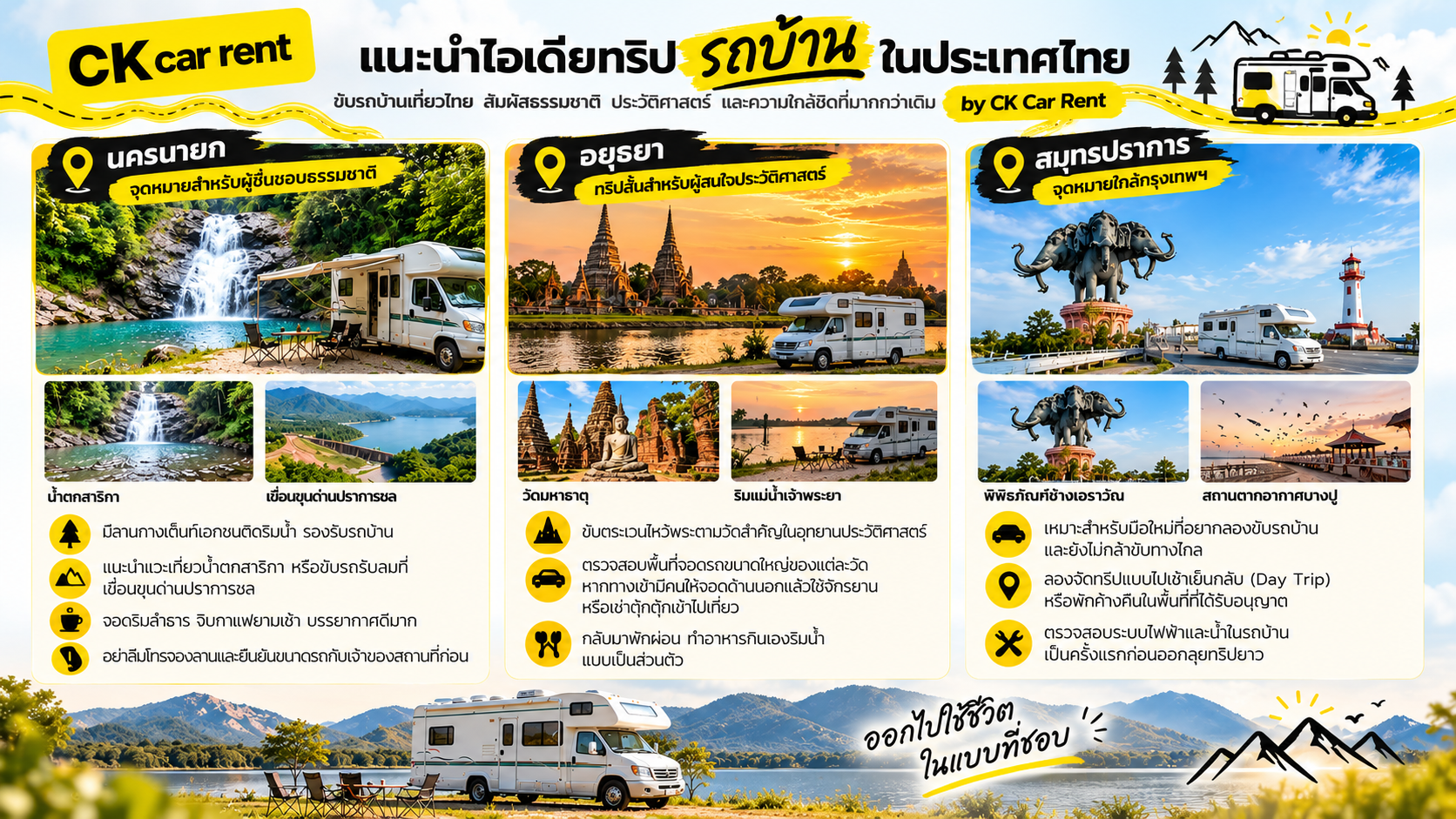
การเช่ารถบ้านมีต้นทุนแฝงหลายอย่างที่คุณต้องนำมาคำนวณนอกเหนือจากค่าเช่ารายวัน การบริหารงบประมาณและการจับคู่รถกับสไตล์ทริปจะช่วยให้คุณเที่ยวได้อย่างสบายใจ
ควรเลือกบริษัทที่มีข้อมูลรถและเงื่อนไขการเช่าชัดเจน เช่น MIDO Car Rental หรือ Mind Voyage โดยเปรียบเทียบรุ่นรถ ราคา เงินประกัน และความคุ้มครองก่อนจอง เพื่อให้เหมาะกับงบประมาณและรูปแบบการเดินทาง
ทริป 1–2 วัน: เหมาะกับ Campervan หรือรถแคมป์ปิ้งขนาดเล็ก เน้นความรวดเร็วในการเคลื่อนตัว ไม่จำเป็นต้องมีสิ่งอำนวยความสะดวกเต็มรูปแบบ
ทริป 3 วัน 2 คืน: รถบ้าน Class C เป็นตัวเลือกที่ดี ให้ความสะดวกสบายในการนอนและอาบน้ำ ลดความเหนื่อยล้า
ทริปหลายวัน (Long Road Trip): ต้องการพื้นที่พักผ่อนที่กว้างขวาง มีเตียงนุ่มสบาย มีครัวสำหรับทำอาหารเพื่อประหยัดงบ แนะนำ Class C หรือหากงบถึงและถนนเอื้ออำนวย Class A จะช่วยให้ไม่รู้สึกอึดอัดเมื่อต้องอยู่บนรถนาน ๆ
เส้นทางในเมืองและทางหลวงหลัก: ไม่มีข้อจำกัดด้านความสูง สามารถใช้รถได้ทุกประเภท
เส้นทางภูเขา ทางคดเคี้ยว ถนนแคบ: เลี่ยง Class A และรถลากจูงโดยเด็ดขาด ควรเลือก Campervan หรือ Truck Camper ที่มีความคล่องตัวและกำลังขับเคลื่อนที่ดีกว่า
พื้นที่ที่มีข้อจำกัดด้านความสูง: รถบ้านส่วนใหญ่มักมีความสูงเกินกว่าที่จอดรถตามห้างสรรพสินค้าหรือจุดแวะพักบางแห่ง ก่อนเลือกเส้นทางต้องเช็กความสูงรถให้แม่นยำ
Road Trip ขับรถเที่ยวแวะหลายจุด (Hop-around): Campervan หรือ Class C ขนาดเล็กเหมาะสมที่สุด เพราะหาที่จอดแวะตามร้านอาหารหรือสถานที่ท่องเที่ยวได้ง่าย
Camping / Slow Travel: หากเน้นขับไปจอดที่ลานกางเต็นท์แห่งเดียว กางกันสาด (Awning) จัดโต๊ะนั่งชิล ปิ้งย่างสัมผัสธรรมชาติ รถบ้านลากจูง (Travel Trailer) ตอบโจทย์มาก เพราะคุณสามารถตั้งแคมป์ทิ้งไว้ แล้วเอารถลากขับไปซื้อเสบียงได้สะดวก
บ่อยครั้งที่นักเดินทางเกิดความลังเลว่า ระหว่างการเช่ารถบ้านเพื่อประหยัดค่าโรงแรม กับการเช่ารถยนต์ทั่วไปแล้วไปจองที่พัก แบบไหนคุ้มค่าและสะดวกสบายกว่ากัน? คำตอบคือ รถบ้านไม่ได้คุ้มค่ากว่าเสมอไป มันขึ้นอยู่กับรูปแบบทริปของคุณ
เปรียบเทียบรถบ้าน กับ รถเช่าทั่วไป:
ค่าใช้จ่ายรวม: บางครั้งค่าเช่ารถบ้าน + ค่าน้ำมัน + ค่าลานกางเต็นท์ อาจสูงกว่าการเช่ารถเก๋งอีโคคาร์รวมกับค่าที่พักโรงแรมระดับกลาง
พื้นที่เก็บสัมภาระ: รถบ้านมีพื้นที่เก็บของเยอะกว่า แต่อาจต้องใช้ร่วมกับอุปกรณ์แคมป์ปิ้ง ในขณะที่รถเช่าทั่วไปท้ายรถมีไว้สำหรับกระเป๋าเดินทางโดยเฉพาะ
ความสะดวกในการพักค้างคืน: รถบ้านให้ความอิสระ ตื่นมาพบกับวิวธรรมชาติได้ทันที ไม่ต้องเก็บกระเป๋าย้ายโรงแรมทุกวัน แต่แลกมาด้วยการต้องจัดการระบบน้ำ-ไฟด้วยตนเอง
สรุปคือ: หากคุณเน้นตระเวนเที่ยวสถานที่แลนด์มาร์คในเมือง กินร้านอาหาร คาเฟ่ หรือพักผ่อนแบบไม่ต้องทำอะไรเอง การใช้บริการรถเช่าทั่วไปจากผู้ให้บริการชั้นนำอย่าง CK Car Rental จะตอบโจทย์ ความคล่องตัว และงบประมาณได้ดีกว่ามาก แต่หากคุณต้องการ “ประสบการณ์” การใช้ชีวิตบนรถ การตั้งแคมป์รอบกองไฟ และความยืดหยุ่นเรื่องเวลาและเส้นทาง รถบ้านคือคำตอบที่ควรลองสักครั้ง
1. รถบ้านมีกี่ประเภท? โดยทั่วไปสามารถแบ่งได้เป็น 3 คลาสหลักคือ Class A (ขนาดใหญ่), Class B (Campervan/รถตู้ดัดแปลง), Class C (มีเตียงเหนือหัวเก๋ง) นอกจากนี้ยังมีแบบ Truck Camper และรถบ้านลากจูง (Travel Trailer) อีกด้วย
2. รถบ้านกับ Campervan แตกต่างกันอย่างไร? Campervan คือส่วนหนึ่งของรถบ้าน (มักจัดอยู่ใน Class B) มีขนาดเล็ก ดัดแปลงจากรถตู้ เน้นความคล่องตัว ในขณะที่รถบ้าน (Motorhome) แบบดั้งเดิมมักจะมีขนาดใหญ่กว่าและมีสิ่งอำนวยความสะดวกครบถ้วนกว่า เช่น ห้องน้ำและครัวแยกส่วน
3. รถบ้านสำหรับ 2 คนควรเลือกแบบไหน? รถบ้าน Class B หรือ Campervan เป็นตัวเลือกที่เหมาะสมที่สุด เพราะมีความคล่องตัว ขับง่าย จอดสะดวก และมีพื้นที่พักผ่อนที่พอดีสำหรับ 2 คน
4. รถบ้านสำหรับครอบครัว 4 คนควรพิจารณาอะไร? ควรพิจารณาเลือกรถบ้าน Class C เพราะมักจะมีเตียงนอนเหนือหัวเก๋งและเตียงหลัง ทำให้ไม่ต้องพับโต๊ะทานข้าวเพื่อทำเป็นที่นอน และต้องตรวจสอบให้แน่ใจว่ามีเข็มขัดนิรภัยครบ 4 ที่นั่ง
5. รถบ้าน 1 คันนอนได้กี่คน? ขึ้นอยู่กับประเภทและโครงสร้างของรถ Campervan ส่วนใหญ่นอนได้ 2-3 คน, Class C นอนได้ 4-6 คน, และ Class A หรือลากจูงขนาดใหญ่อาจนอนได้ถึง 6-8 คน
6. รถบ้านทุกคันมีห้องน้ำหรือไม่? ไม่ใช่ทุกคัน รถขนาดใหญ่อย่าง Class A และ Class C มักจะมีห้องน้ำและอาบน้ำในตัว แต่รถตู้ดัดแปลง Class B หรือรถแคมป์ปิ้งขนาดเล็กหลายรุ่นอาจไม่มีห้องน้ำหรือมีเพียงสุขาเคลื่อนที่ (Porta Potti) เท่านั้น
7. รถบ้านลากจูงแตกต่างจาก Motorhome อย่างไร? Motorhome มีเครื่องยนต์สามารถขับเคลื่อนได้ด้วยตัวเอง ส่วนรถบ้านลากจูง (Travel Trailer) ไม่มีเครื่องยนต์ ต้องใช้รถยนต์คันอื่นลากจูงไป และห้ามมีผู้โดยสารนั่งในรถลากจูงขณะเดินทาง
8. รถบ้านเหมาะกับการเดินทางในประเทศไทยหรือไม่? เหมาะสำหรับการท่องเที่ยวตามอุทยานแห่งชาติ ลานกางเต็นท์เอกชน หรือพื้นที่ชานเมือง แต่ต้องระมัดระวังเรื่องการขับเข้าซอยแคบในตัวเมือง และควรวางแผนจุดจอดเติมน้ำ-ทิ้งน้ำเสียล่วงหน้า
9. เช่ารถบ้านครั้งแรกต้องเตรียมอะไรบ้าง? เตรียมใบอนุญาตขับขี่ที่ถูกต้อง บัตรเครดิตสำหรับวางเงินมัดจำ วางแผนเส้นทางอย่างละเอียด ศึกษาคู่มือการใช้งานระบบน้ำ/ไฟของรถ และทำความเข้าใจเงื่อนไขประกันภัยอย่างถี่ถ้วน
10. รถบ้านกับรถเช่าทั่วไป แบบไหนเหมาะกับ Road Trip มากกว่า? หากเน้นประสบการณ์พักผ่อนใกล้ชิดธรรมชาติและไม่รีบเร่ง รถบ้านจะให้ประสบการณ์ที่ยอดเยี่ยม แต่หากคุณเน้นการแวะสถานที่ท่องเที่ยวหลายจุด แวะคาเฟ่ หรือพักในเมือง การเช่ารถยนต์ทั่วไปจะตอบโจทย์เรื่องความคล่องตัว ประหยัดเวลา และงบประมาณได้ดีกว่า
การเลือกรถบ้านที่เหมาะสมคือหัวใจสำคัญของการเดินทางที่ราบรื่นและเต็มไปด้วยความทรงจำที่ดี สรุปหลักการเลือกง่าย ๆ คือ:
พิจารณา จำนวนผู้เดินทาง โดยยึด “จำนวนที่นั่งที่มีเข็มขัดนิรภัย” เป็นหลักสำคัญที่สุด รองลงมาคือ “จำนวนที่นอนและพื้นที่ใช้สอย”
คำนวณ งบประมาณรวม ที่ต้องครอบคลุมทั้งค่าเช่า ค่าน้ำมัน ค่าทางด่วน และค่าลานจอดค้างคืน
วิเคราะห์ เส้นทางและระยะเวลาทริป หากขึ้นเขาหรือเข้าซอยแคบ ให้เลือกรถขนาดกะทัดรัด
ประเมินความจำเป็นในการใช้ ห้องน้ำหรือครัว ภายในรถ หากจอดตามอุทยานที่มีห้องน้ำสะอาด การเช่ารถแคมป์เปอร์แวนที่ไม่มีห้องน้ำอาจช่วยประหยัดงบได้มาก
ทบทวนทักษะ ความสะดวกในการขับขี่และจอดรถ ของผู้ขับขี่เสมอ
สำหรับผู้ที่กำลังวางแผนท่องเที่ยว หากทริปของคุณเน้นความคล่องตัว แวะเที่ยวในเมือง หรือต้องการยานพาหนะที่ขับขี่ง่ายสบายใจ สามารถศึกษาทางเลือกและบริการรถเช่าคุณภาพเพื่อการเดินทางทั่วไปได้ที่ CK Car Rental ซึ่งมีรถยนต์หลากหลายขนาดพร้อมให้บริการ
ช่องทางการติดต่อ :