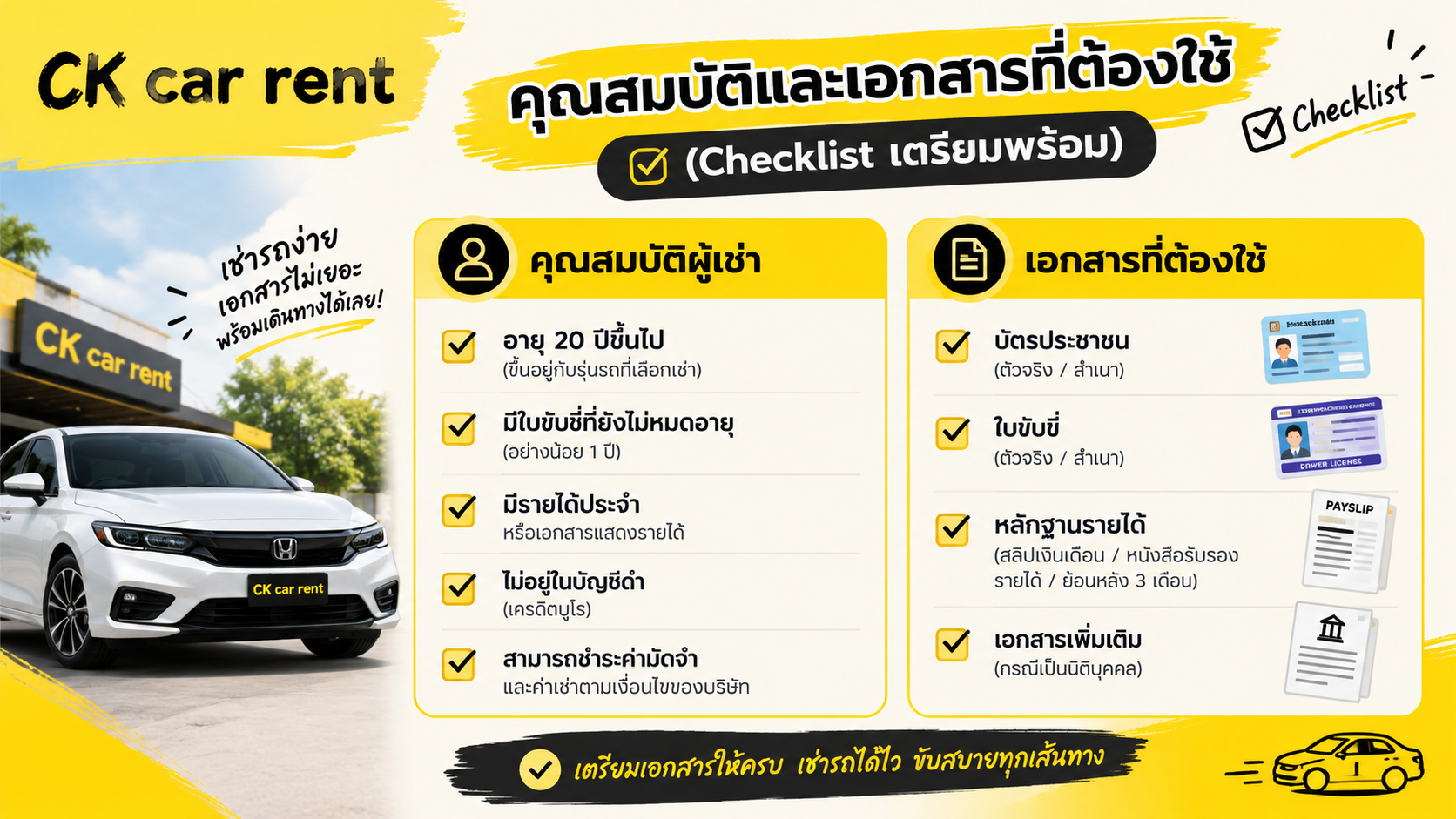





For anyone planning a trip and considering renting a car for the first time, the excitement of driving yourself often comes with some concerns. Renting a car is not simply about making a payment and receiving the keys. You also need to understand rental agreements, legal requirements, different types of insurance, and vehicle inspection techniques. If you are not familiar with these details, you may face unexpected charges or unnecessary problems later.
This comprehensive guide covers every important aspect of renting a car for beginners—from preparing before making a reservation to returning the vehicle—so you can enjoy your journey with confidence and peace of mind.
Renting a car for the first time can give you much more freedom and flexibility during your trip. However, beginners may feel uncertain about the procedures, required documents, and rental terms and conditions. To make your first car rental experience smooth, safe, and free from unexpected charges, we have put together this Complete Beginner’s Guide to Car Rental covering everything you need to know in one place.

1. Before Booking: Check Your Eligibility and Required Documents
Before making a reservation, make sure you meet the rental requirements and have all the necessary documents ready.
- Minimum Age: Most car rental companies require drivers to be at least 21 years old. Some companies may allow younger drivers but charge an additional Young Driver Fee.
- Driver’s License:
- Driving in Thailand: You generally need a valid Thai driver’s license, such as a temporary personal driver’s license that has been held for at least 1 year, or a 5-year/permanent driver’s license, depending on the rental company’s policy.
- Driving Abroad: You may need an International Driving Permit (IDP) together with your original Thai driver’s license and passport. Check whether the destination country recognizes the 1949 or 1968 Convention before traveling.
- Credit Card (Very Important):
- Many car rental companies do not accept cash for the security deposit.
- The credit card should generally be under the same name as the primary renter stated in the rental agreement.
- Make sure the card has sufficient available credit for the Security Deposit, which is commonly around THB 3,000–10,000. Luxury cars or large SUVs may require deposits of up to THB 20,000.
- The amount may be temporarily held on the card and released after the vehicle is returned, according to the rental company’s policy.
2. Choosing the Right Car and Comparing Rental Conditions
A. Choose a Car That Fits Your Trip
1. Eco Car / City Car
Examples include Yaris, City, and Swift. These cars are suitable for city trips because they are easy to park and fuel-efficient. They are ideal for 1–3 passengers with a small amount of luggage.
2. Compact / Mid-Size Sedan
Examples include Altis, Civic, and Camry. These vehicles are suitable for longer-distance or interprovincial trips and provide greater comfort for 3–4 passengers.
3. SUV / Crossover
Examples include Corolla Cross, HR-V, CR-V, and Fortuner. SUVs are suitable for families, road trips, or journeys involving mountainous or rough roads. They also provide more luggage space.
4. EV / Electric Vehicle
Electric vehicles are becoming increasingly popular. However, first-time EV renters should plan their routes around available charging stations and check the battery level and charging conditions when picking up and returning the vehicle.
B. Understand Fuel and Mileage Policies
Full-to-Full Fuel Policy
Under this system, the vehicle is provided with a full tank of fuel, and you are expected to return it with a full tank.
If you return the vehicle without refueling, the rental company may charge for the missing fuel plus a Refueling Service Fee, which can be significantly higher than the normal fuel station price.
Unlimited Mileage vs. Limited Mileage
Many car rental companies in Thailand offer Unlimited Mileage. However, rental companies in other countries may impose mileage restrictions, such as a limit of 200 km per day. Additional mileage may then be charged according to the company’s rate.
3. Understanding Rental Car Insurance
Insurance is one of the most important things beginners should understand before renting a car.
| Insurance Type | Coverage | What Beginners Should Know |
|---|---|---|
| CDW (Collision Damage Waiver) | Covers damage resulting from collisions or accidents. | A deductible/excess may apply. If you are at fault or there is no third party, such as hitting a pole or wall, you may have to pay up to the specified deductible amount. |
| SCDW / No-Deductible | Provides broader protection with little or no deductible, depending on the rental company’s policy. | This can reduce your out-of-pocket expenses if an accident occurs. Additional daily fees may apply. |
| TP (Theft Protection) | Covers vehicle theft. | Often included in the basic insurance package, depending on the rental company. |
| WWI (Windscreen & Tire Insurance) | Covers windshield and tire damage. | Some CDW/SCDW policies may not cover tire damage, wheel damage, or windshield damage caused by stones. |
Important Note
Always check the exact insurance terms and exclusions in your rental agreement. Coverage can vary between rental companies and vehicle categories.
For first-time renters, additional coverage may provide greater peace of mind, especially when traveling long distances or driving in unfamiliar areas.
4. Vehicle Pickup Checklist
When picking up your rental car, do not rush to sign the documents. Take some time to carefully inspect the vehicle.
1. Take Photos and Videos of the Entire Vehicle
This is extremely important.
- Record a video around the entire vehicle.
- Start from the front and continue around both sides, the rear, and the roof.
- Take close-up photos of existing scratches, dents, paint chips, and wheel/rim damage.
- Take photos of the tires and tread condition.
2. Check the Interior
Check and record:
- Fuel level
- Starting mileage
- Air conditioning
- Headlights
- Turn signals
- Windshield wipers
- Touchscreen and entertainment system
- Interior condition and cleanliness
- Any cigarette smoke or unusual odors
If you notice cigarette smoke, strong odors, stains, or other existing issues, inform the rental staff immediately and ask them to record the condition before you leave.
3. Check the Emergency Equipment
Make sure the vehicle has the necessary equipment, such as:
- Spare tire or emergency tire repair kit
- Jack and wheel wrench
- Emergency warning triangle
4. Confirm the Vehicle Inspection Sheet
Before signing, make sure all existing scratches, dents, or other damage have been properly marked on the Vehicle Inspection Sheet and match the actual condition of the car.
5. Important Things to Remember During the Rental and When Returning the Car
Use the Correct Fuel
Before leaving the rental location, confirm which type of fuel the vehicle requires, such as:
- Gasohol 95
- E20
- Diesel
Using the wrong fuel can cause serious engine damage and may not be covered by insurance.
Driving Outside the Permitted Area
Some rental companies may have restrictions on:
- Taking the vehicle outside a specific area
- Crossing certain borders
- Taking the vehicle onto a ferry
- Driving to certain islands or restricted areas
If you plan to travel outside the normal service area, contact the rental company in advance.
What to Do If an Accident Occurs
If you are involved in an accident:
- Stay calm and contact the rental company immediately through its emergency hotline.
- Contact the insurance company using the number provided in the rental documents or displayed in the vehicle.
- Take photos of the accident scene, the other vehicle’s license plate, and the position of the vehicles.
- In the case of a serious accident, contact the police and obtain an official incident report.
Plan Your Return Time
Allow at least 30–45 minutes for returning the vehicle and completing the final inspection.
Some companies may allow a grace period of 30–60 minutes, depending on their policy. Additional charges may apply if the vehicle is returned late.
Keep the Vehicle Clean
Remove:
- Large pieces of rubbish
- Plastic bags
- Food waste
- Personal belongings
If you spill drinks or food inside the vehicle, or bring pets into the vehicle without permission, you may be charged a Cleaning or Sanitization Fee, depending on the rental company’s policy.
6. Three Golden Rules for First-Time Car Renters
Renting a car for the first time does not have to be stressful. You can reduce potential risks by following these three simple rules:
1. Make Sure Your Documents Match
The renter’s name, driver’s license, and credit card should generally match the requirements stated in the rental agreement.
2. Consider Additional Insurance Coverage
If you are a first-time renter, consider additional coverage that reduces your potential out-of-pocket costs in the event of an accident.
3. Keep Strong Evidence
Take photos and videos of the vehicle before driving away and again when returning the car.
Rent Your First Car with Confidence at CK Car Rent
Renting a car doesn’t have to be complicated or stressful.
Read our guide to learn more about the rental process, vehicle inspection checklist, and safe driving tips.
First-Time Car Rental: What You Need to Know
Choose the Right Car
CK Car Rent offers a wide range of vehicles to suit different travel needs.
Transparent Rental Service
Clear rental terms and conditions with transparent pricing.
Friendly Customer Service
Even if you are renting a car for the first time, our team is ready to provide guidance and assistance.
Contact CK Car Rent
Open Daily: 8:00 AM – 8:00 PM
LINE: @ckcarrent
Email: info@ckcarrent.com
Website: CK Car Rental
Phone: 02-126-0718
Mobile: +66 93 138 3531
WeChat ID: ckcarrental
Facebook: CK Car Rent Official